Quick Tip: Jelly Roll Method for Wet Blocking
Mary Beth TempleWhen wet blocking your knits - water can be the enemy! It is heavy, and hanging or trying to maneuver a soaking wet piece of knitwear can pull the stitches out of shape and make life harder. To carefully remove some water, grab a terry cloth towel and fold it in half. Lay the wet project on top, roll it up like a jell roll, and apply some pressure. The bulk of the water will transfer from the knit project to the towel which can then go in the washer and dryer, leaving you with a damp project instead of a wet one. For more tips on blocking your knits check out this class by instructor Kate Atherly.
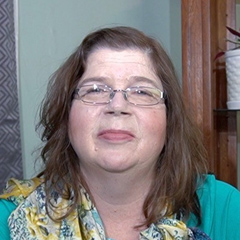
Hi there. I'm Mary Beth Temple and I'm a big advocate of wet blocking all of your knitting projects if you can. Now, the problem with wet blocking is water is sort of the enemy. The weight of the water of any given project. Once it's been soaking, can pull the stitches out of shape, pull your garment out of shape.
The easiest way to get excess water out of your projects is what we call the jelly roll method. Now, I use a white towel because it helps me look for dye transfer. But I have my towel right here. Just a regular terry cloth towel. I have it folded in half and I'm going to make a jelly roll with my project on the inside.
It doesn't have to be laid out super neatly. We're trying to get the water out, we're not blocking yet. Now, if I'm home and I have something sturdy to stand on or to hold on to, I'll literally stand on this thing. But you don't wanna do that if you don't have a wall or a door to hold on to because you could fall down. But the other thing is to put as much pressure as you can on to your jelly roll.
What's going to happen is the water is going to transfer from the project to the terry cloth towel. Now, the terry cloth towel you can wash and put in the dryer and use it again another day. But at the end of this, you have a damp project. Instead of a soaking wet project, you're much less likely to damage it when you're getting ready to block it. For real.

Share tips, start a discussion or ask other students a question. If you have a question for an expert, please click here.
Already a member?
No Responses to “Quick Tip: Jelly Roll Method for Wet Blocking”